
When and How To Maintain Your Electric Ford Vehicle
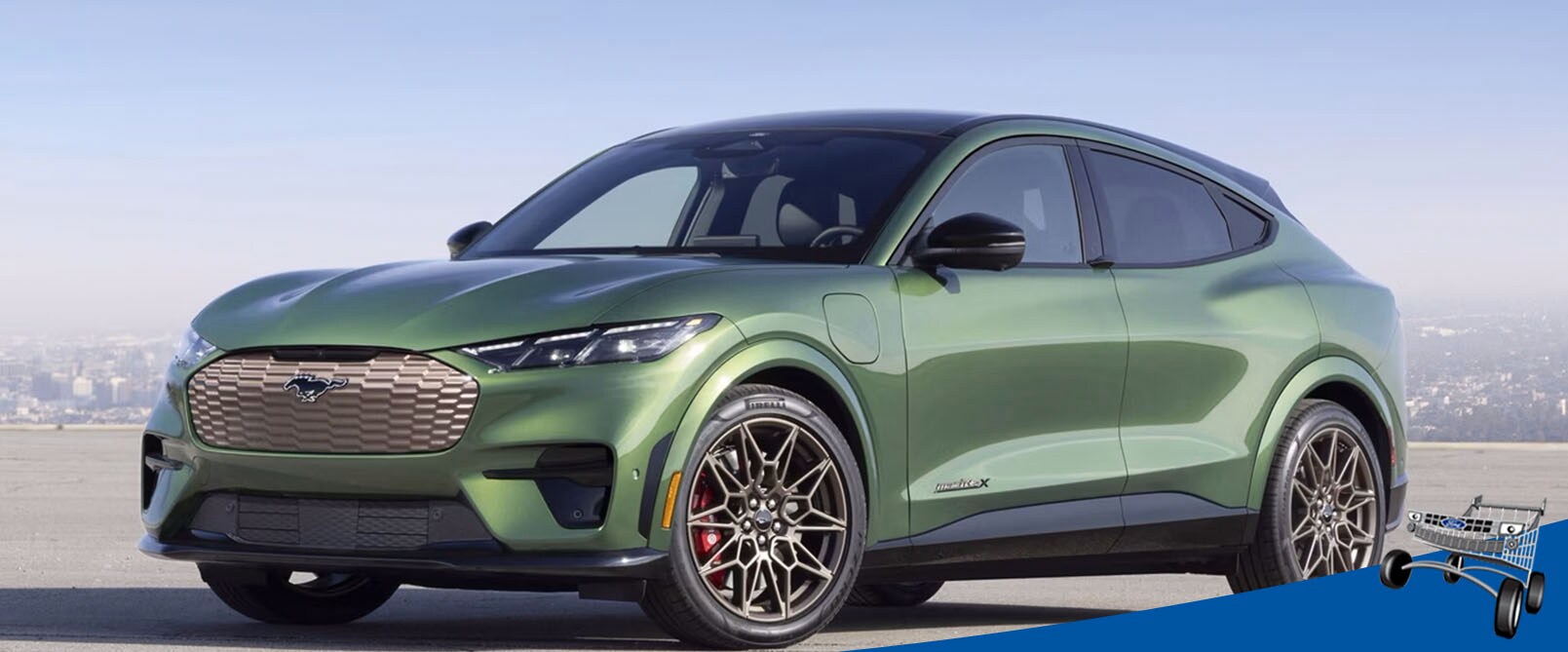
A Guide To Maintaining Your Electric Ford Vehicle
Owning an electric Ford vehicle, such as the Mustang Mach-E, F-150 Lightning, or E-Transit, offers significant efficiency and cost savings benefits. However, proper maintenance is essential to help your EV remain in optimal condition for years.
Here's a comprehensive guide on when and how to maintain your electric Ford vehicle.

EV Maintenance
One of the most significant advantages of electric vehicles is their simplified maintenance compared to traditional internal combustion engine (ICE) vehicles. Routine maintenance becomes much less demanding since EVs lack complex components like engines, oil, and exhaust systems. Instead, EV maintenance focuses primarily on the battery, brakes, tires, and software updates.
Ford EVs are designed for durability and longevity, but neglecting maintenance can impact performance and safety. Following the manufacturer’s recommendations ensures your vehicle remains reliable while preserving its resale value.

Battery Health: The Core of EV Maintenance
The battery is the heart of any electric vehicle, and preserving its health is crucial. Ford EVs are equipped with advanced lithium-ion batteries designed to last hundreds of thousands of miles. To maintain the battery:
- Charging Best Practices: Avoid frequent fast charging unless necessary. While convenient, it can generate heat and strain the battery over time. Use Level 2 charging for daily use.
- Maintain Optimal Charge Levels: Whenever possible, keep the battery level between 20 and 80 percent. This reduces stress on the battery cells and prolongs their lifespan.
- Schedule Battery Inspections: Ford recommends periodic battery health checks, typically during routine service visits. Ford of Homewood can perform diagnostics to ensure the battery operates efficiently.

Brake System Maintenance
Regenerative braking is a hallmark of Ford EVs, reducing wear and tear on traditional brake components. While this technology extends the lifespan of brake pads and rotors, occasional inspections are still necessary. Ford recommends inspecting brake pads every 10,000 miles.
- Check Brake Fluid Levels: Brake fluid can degrade over time, so it’s incredibly important to check and replace it as recommended in your owner’s manual.
- Monitor Brake Pad Wear: Although EV brake pads last longer, they should still be inspected during routine service appointments.

Tire Care
Tires on electric vehicles can wear differently due to the heavier weight of the battery pack and the instant torque produced by electric motors. Proper tire care is vital for safety and performance.
- Rotate Tires Regularly: Ford recommends tire rotation every 10,000 miles, depending on driving conditions.
- Monitor Tire Pressure: Ensure tire pressure aligns with the specifications in your owner’s manual. Proper inflation improves energy efficiency and extends tire life.
- Inspect for Wear: Check for uneven tread wear, which could indicate alignment issues.

Software Updates and Diagnostics
Electric Ford vehicles rely heavily on software to manage their systems, from battery performance to driver assistance features. Keeping your software up to date is essential for optimal performance.
- Accept Over-the-Air (OTA) Updates: Ford frequently releases OTA updates to enhance vehicle functionality and improve efficiency. Ensure your vehicle is connected to Wi-Fi to receive these updates seamlessly.
- Visit Ford of Homewood for Diagnostics: While many diagnostics can be performed remotely, periodic in-person visits ensure no underlying issues are missed.

Coolant and Climate Control Systems
EV batteries require a coolant system to regulate their temperature. Over time, the coolant will need to be replaced to maintain efficiency. Similarly, the climate control system plays a significant role in managing interior comfort and battery performance.
- Replace Coolant as Recommended: Ford typically advises coolant replacement every 200,000 miles, but consult your specific model’s maintenance schedule.
- Service the HVAC System: The heat pump and air conditioning systems should be inspected regularly to ensure they function correctly.

Final Thoughts
Maintaining your electric Ford vehicle is simpler and often less costly than traditional vehicle maintenance, but it still requires attention to detail. Following these guidelines lets you keep your EV in peak condition and enjoy its benefits.
Schedule maintenance with Ford of Homewood today to ensure your vehicle receives expert care.